Evacuation of Haematoma

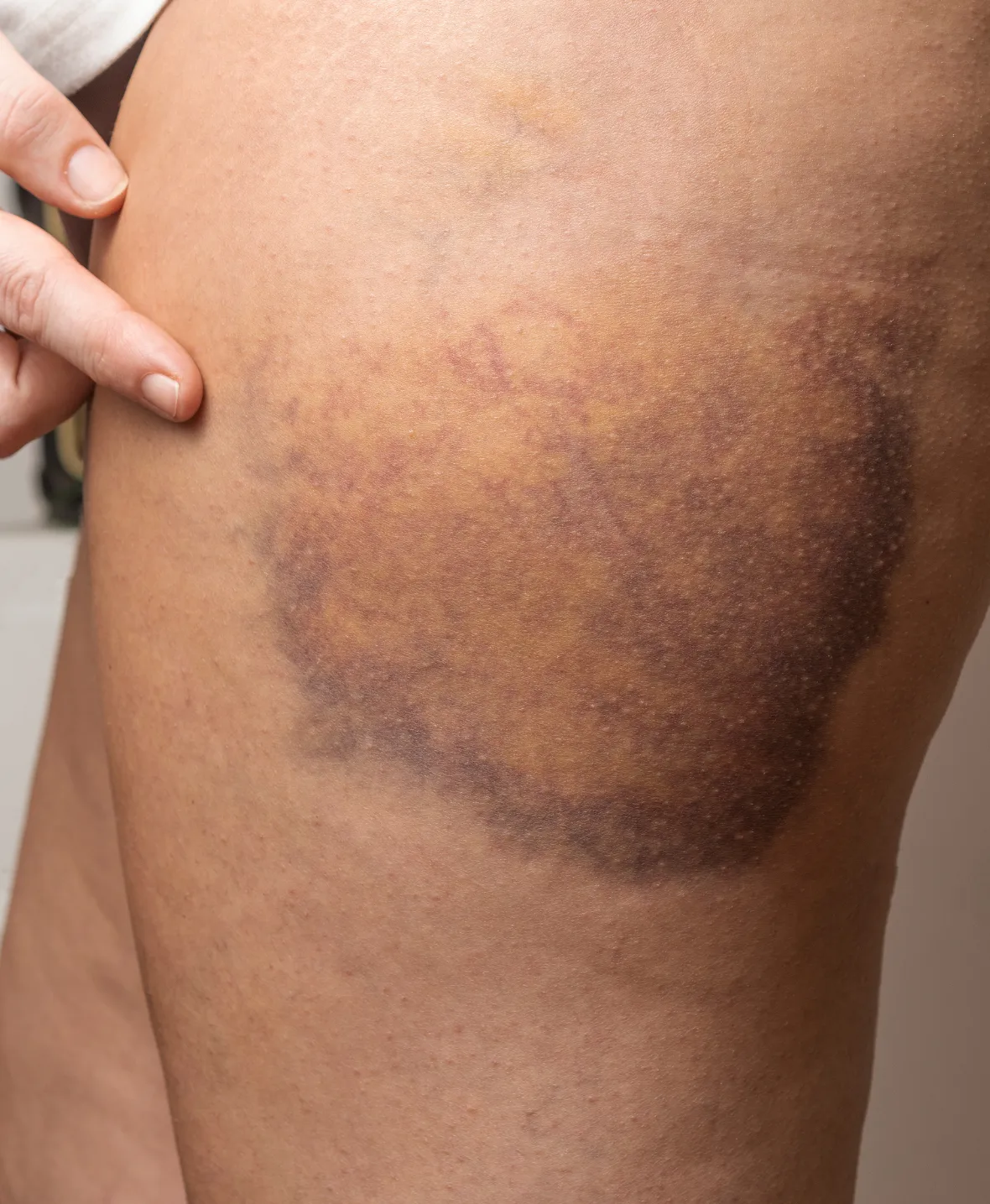
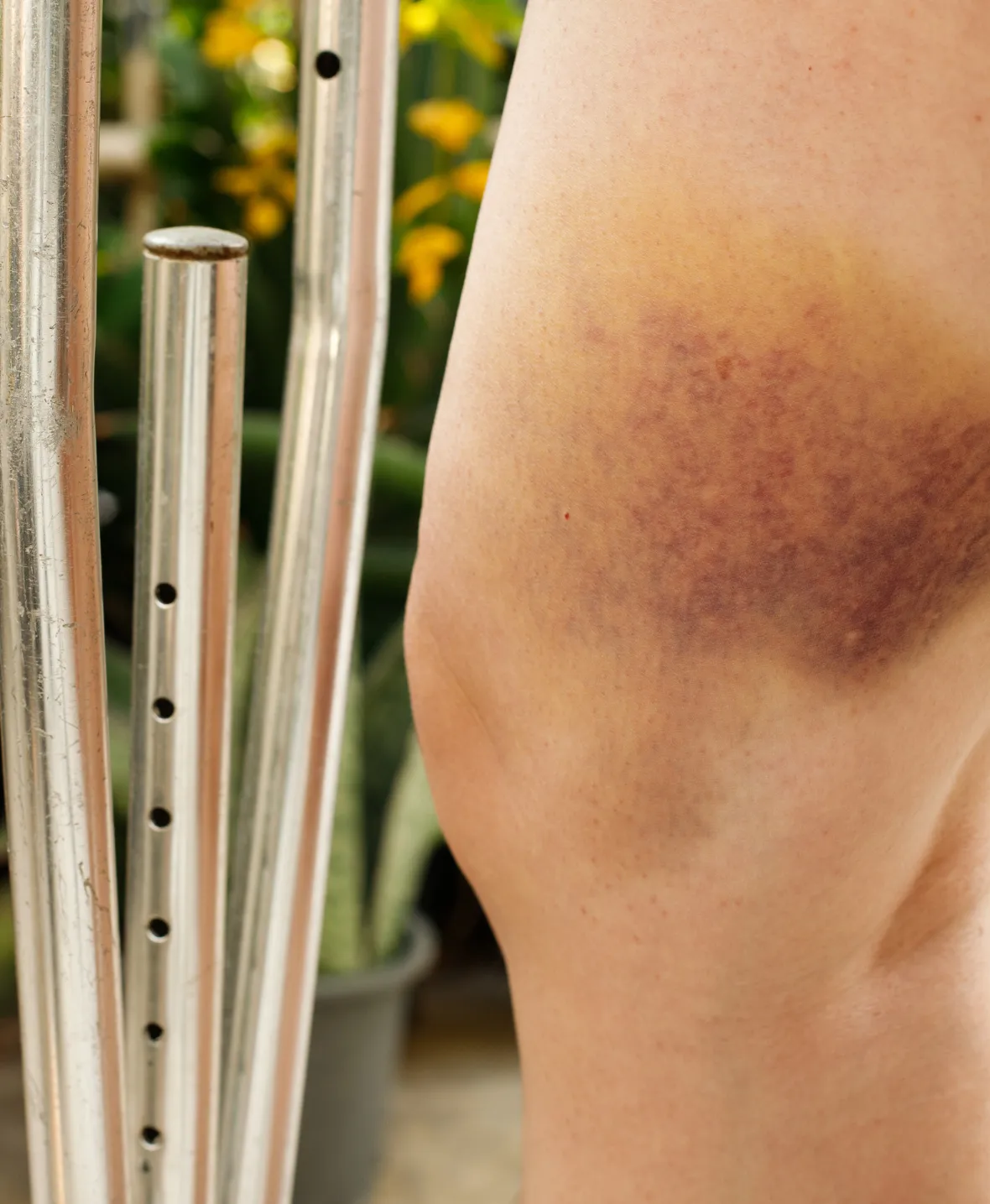
A haematoma is a collection of blood that forms outside the blood vessels, often due to trauma or following surgery. While small haematomas may resolve on their own, larger ones can become painful, infected, or delay healing. At London Harley Street Clinics, we offer surgical evacuation of haematomas to relieve pressure, reduce discomfort, and support proper tissue recovery.
Who is Evacuation of Haematoma For?

Evacuation of haematoma is recommended for individuals who: Have developed a significant haematoma after surgery (e.g. facelift, liposuction, body contouring), Are experiencing pain, swelling, or bruising that’s worsening instead of improving, Show signs of infection (e.g. redness, warmth, fever) near the affected site, Have a visible lump or firm swelling due to pooled blood, Have delayed wound healing or skin discolouration caused by underlying blood accumulation

It is particularly important to seek evaluation if the haematoma is large, growing, or interfering with function or recovery.

Evacuation of Haematoma img2

Causes of Haematoma Formation

  • Trauma or blunt injury
  • Post-operative bleeding (especially after cosmetic or orthopaedic surgery)
  • Blood-thinning medications (e.g. aspirin, warfarin)
  • Vascular fragility or underlying medical conditions
  • Inadequate compression or drain function after surgery

Symptoms of a Haematoma

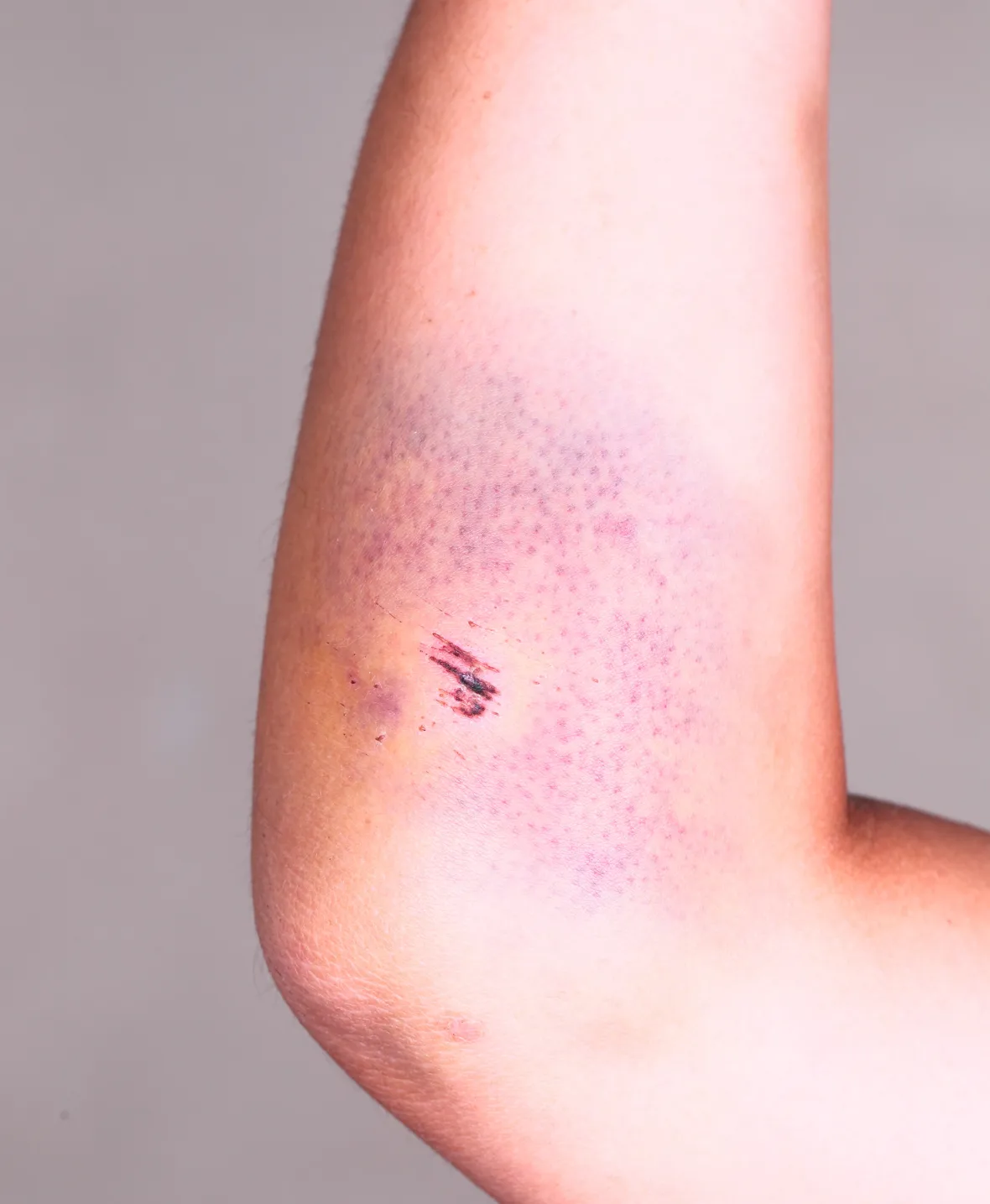
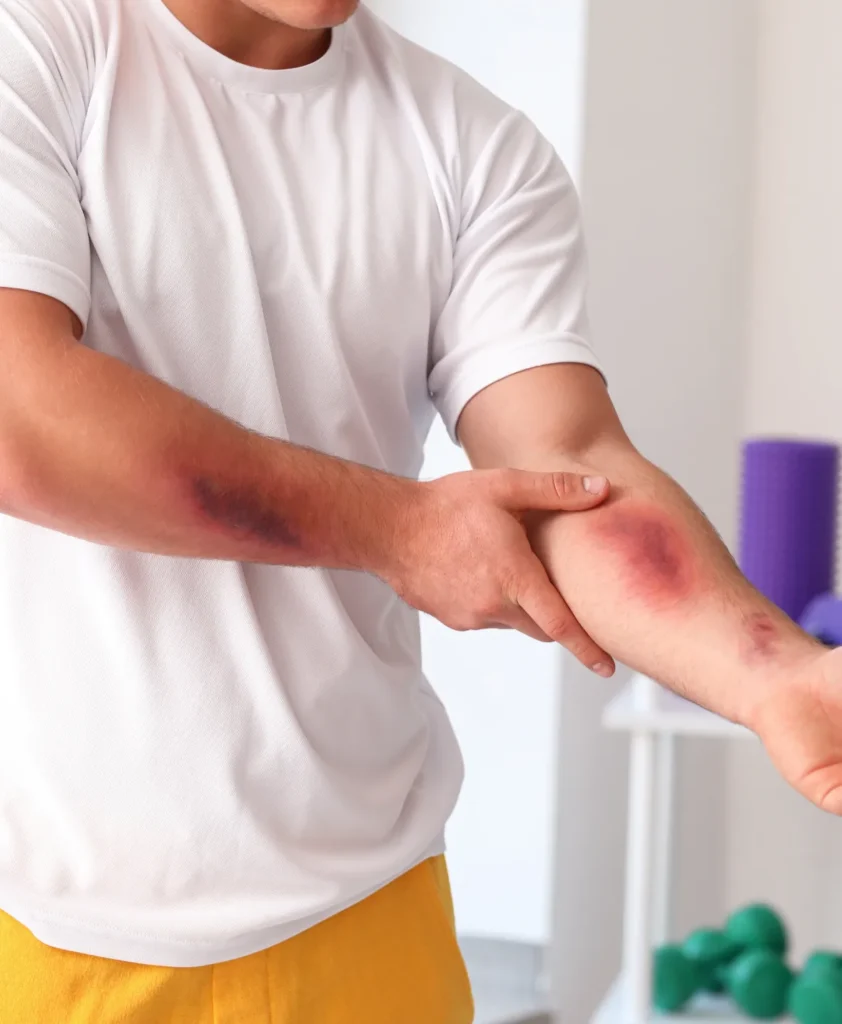
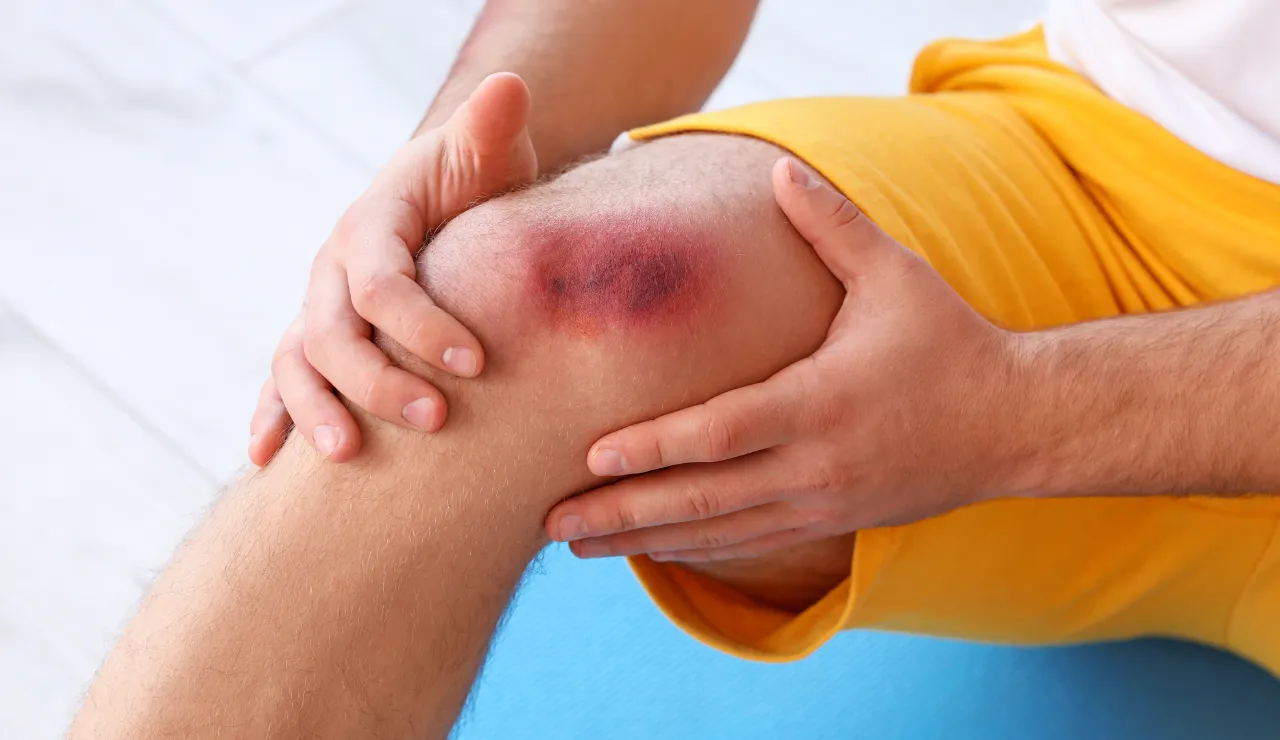
  • Swelling and visible bruising
  • Localised pain or tenderness
  • A firm or fluctuant lump under the skin
  • Restricted movement or tightness
  • Delayed wound healing or drainage
Evacuation of Haematoma img3

Treatment Process

Evacuation of haematoma is a minor surgical procedure performed under local or general anaesthesia depending on the severity and location. It typically involves:

Local or general anaesthesia is administered based on the size and depth of the haematoma.

A small incision is made to access and drain the accumulated blood.

The cavity is flushed to reduce infection risk. A drain may be placed temporarily to prevent fluid buildup.

A compression dressing is applied to control swelling and minimise the chance of recurrence.

Evacuation of Haematoma img1

Recovery and Aftercare

  • You may return home the same day or after a short observation period
  • Mild discomfort or bruising may persist for a few days
  • Drain (if placed) is typically removed in 2–5 days
  • Compression garments may be advised to support healing
  • Follow-up appointments ensure proper healing and minimise complications

Potential Risks and Considerations

  • Risk of recurrence or re-bleeding
  • Infection at the surgical site
  • Temporary numbness or tenderness
  • Scar formation at the incision site
  • Rarely, skin necrosis if left untreated for too long
Evacuation of Haematoma img3 1

Success Stories

More than 250 five-star reviews on Google
5/5

The Smooth Eye Laser treatment was fantastic! It completely rejuvenated my under-eye area, making me look well-rested and youthful. The procedure was quick, painless, and the results are simply amazing. Highly recommend it for anyone dealing with fine lines or sagging skin around the eyes.

38, London
5/5

I noticed a huge difference after the Smooth Eye Laser treatment. My crow’s feet and puffiness reduced significantly, and my eyes look brighter and more refreshed. The team at London Harley Street Clinics was incredibly professional and made the whole process seamless.

42, Birmingham
5/5

Smooth Eye Laser exceeded my expectations! I was tired of looking tired, and this treatment worked wonders for my under-eye bags and wrinkles. The recovery was minimal, and the results are natural yet noticeable. I couldn’t be happier!

45, Manchester
have a question?

Quick answers to questions you may have

The incision made for haematoma evacuation is small and usually placed discreetly. With proper aftercare, any scarring tends to fade significantly over time.

Recovery is typically quick. Most patients resume normal activities within a few days, though strenuous exercise should be avoided for at least a week or until cleared by the surgeon.

Mild discomfort is expected after the procedure, but it is usually well-managed with over-the-counter pain relief. Most patients report rapid relief from the pressure and pain once the haematoma is drained.

Evacuation is recommended when the haematoma is large, painful, causing functional limitations, or at risk of infection. Your surgeon will assess whether it requires drainage or can resolve naturally.

Our team ensures timely assessment, sterile technique, and expert care for optimal healing. We prioritise patient comfort, minimal scarring, and quick recovery in a safe clinical setting.