CANTHOPEXY

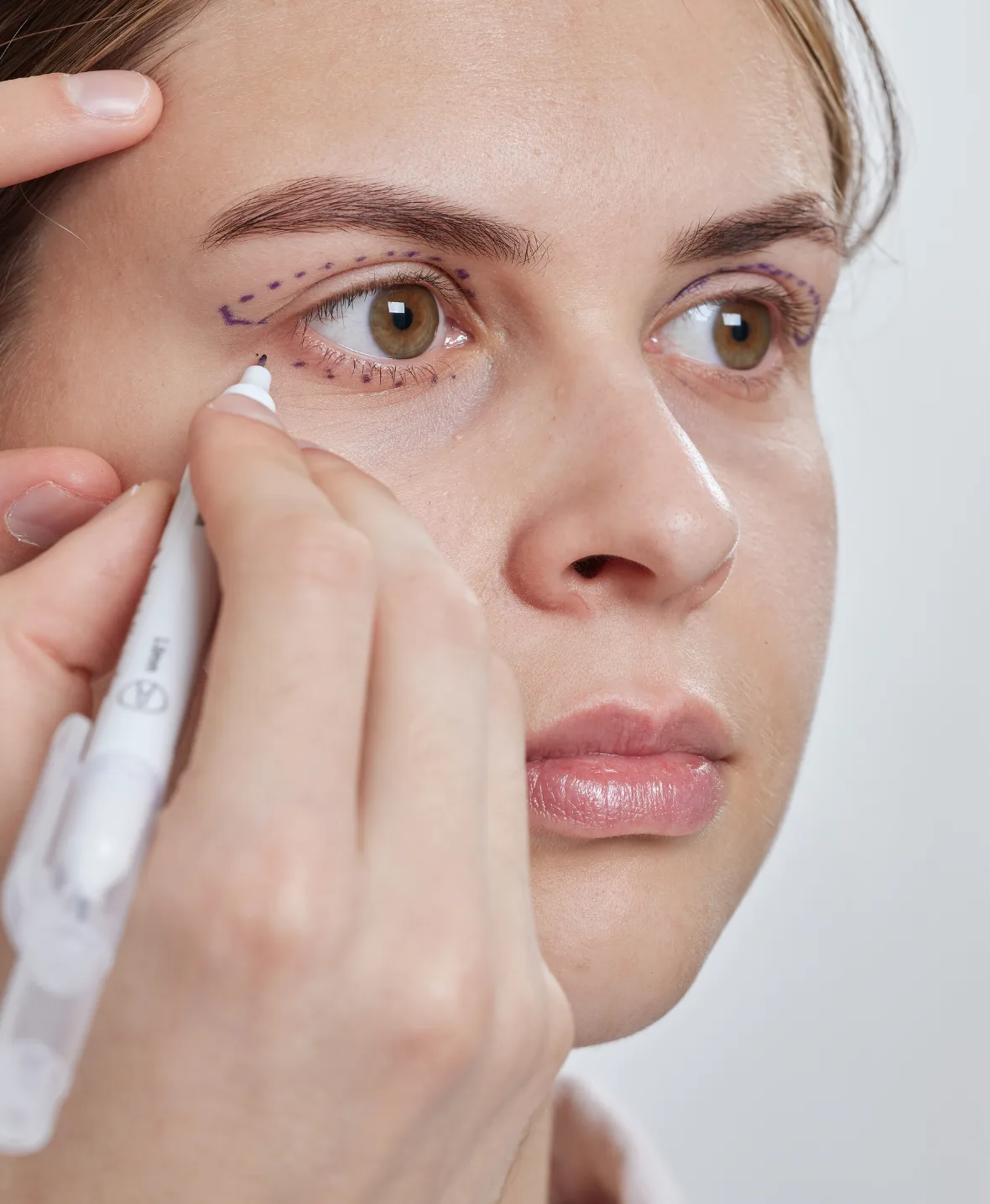
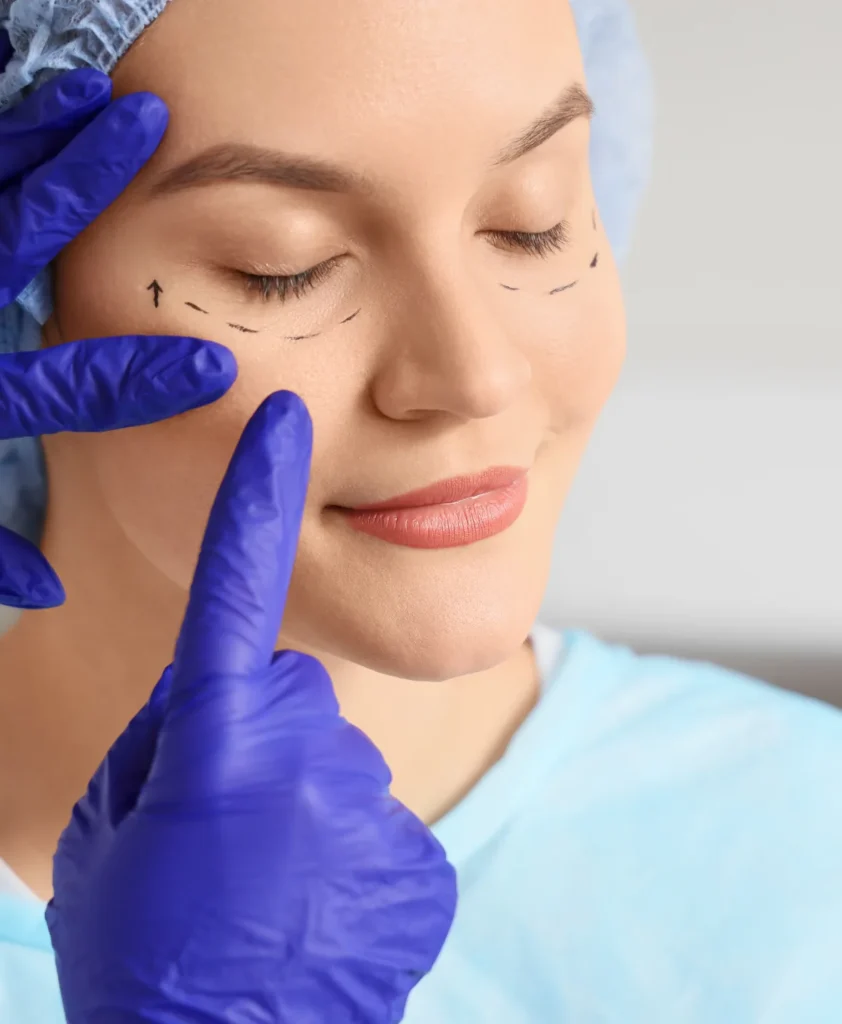
Canthopexy is a cosmetic surgical procedure that tightens and elevates the outer corner of the eye (lateral canthus) to create a more youthful, defined, and lifted eye shape. It reinforces the natural tendons around the eye without altering the patient’s anatomy. At London Harley Street Clinics, our surgeons use precise, minimally invasive techniques to restore eyelid support, improve eye symmetry, and achieve a refreshed appearance.
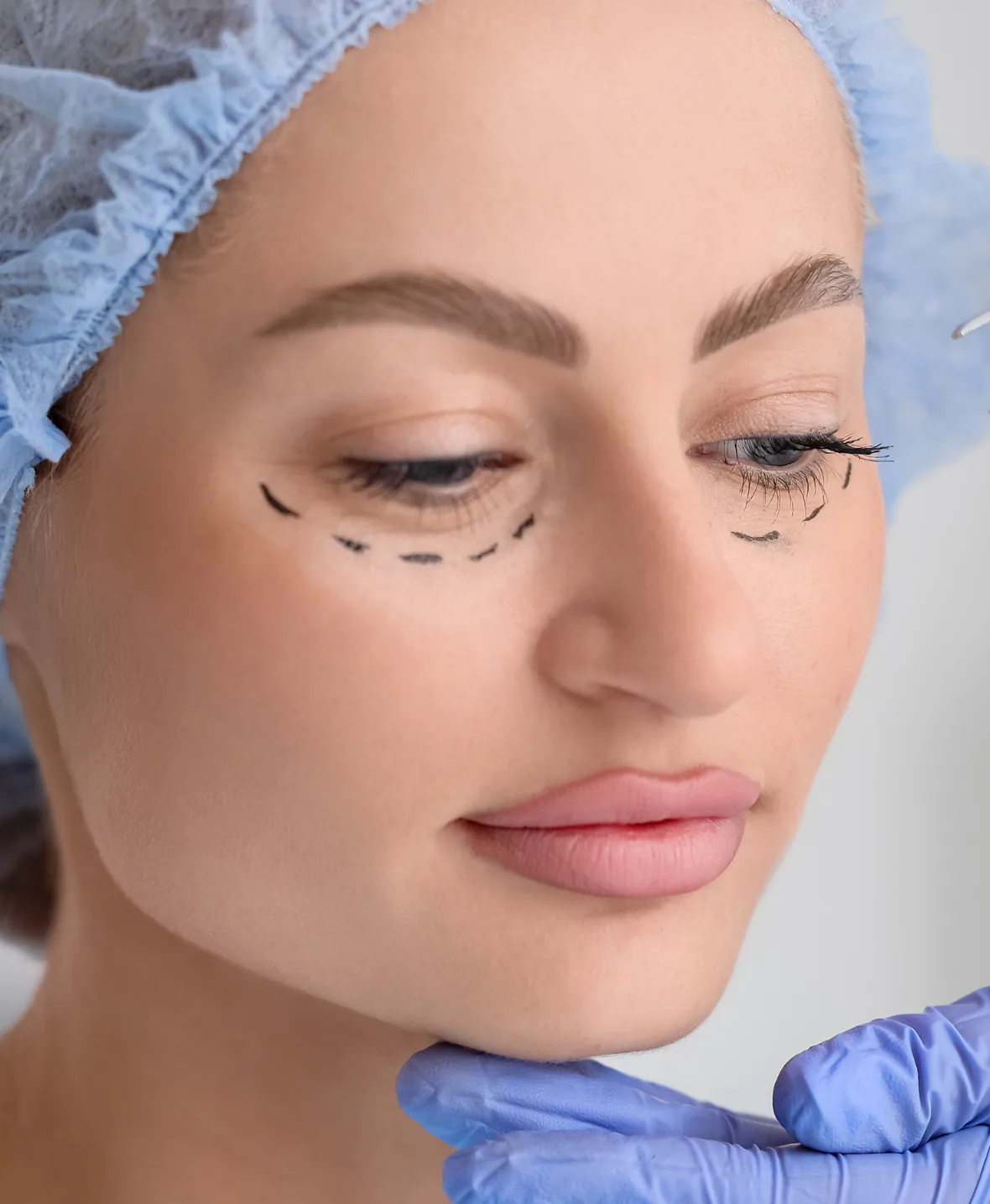

WHO IS CANTHOPEXY FOR?

Canthopexy is ideal for individuals who: Notice sagging or downward-slanting outer eyelids, Experience lower eyelid looseness or laxity, Want a subtle, natural lift to the eye corners, Have asymmetry affecting the shape of the eyes, Want to correct eyelid changes caused by ageing, Are looking for improved definition without changing their natural eye identity, Need support for the lower eyelid after another eyelid procedure

canthopexy img

CAUSES FOR SAGGING OR DROOPING OUTER EYELIDS

  • Age-related tissue weakening
  • Genetic predisposition to lax eyelid tendons
  • Previous eyelid surgery resulting in reduced support
  • Trauma or injury to the eye region
  • Structural variations in the lateral canthal tendon

SYMPTOMS OR SIGNS THAT MAY BENEFIT FROM SURGERY

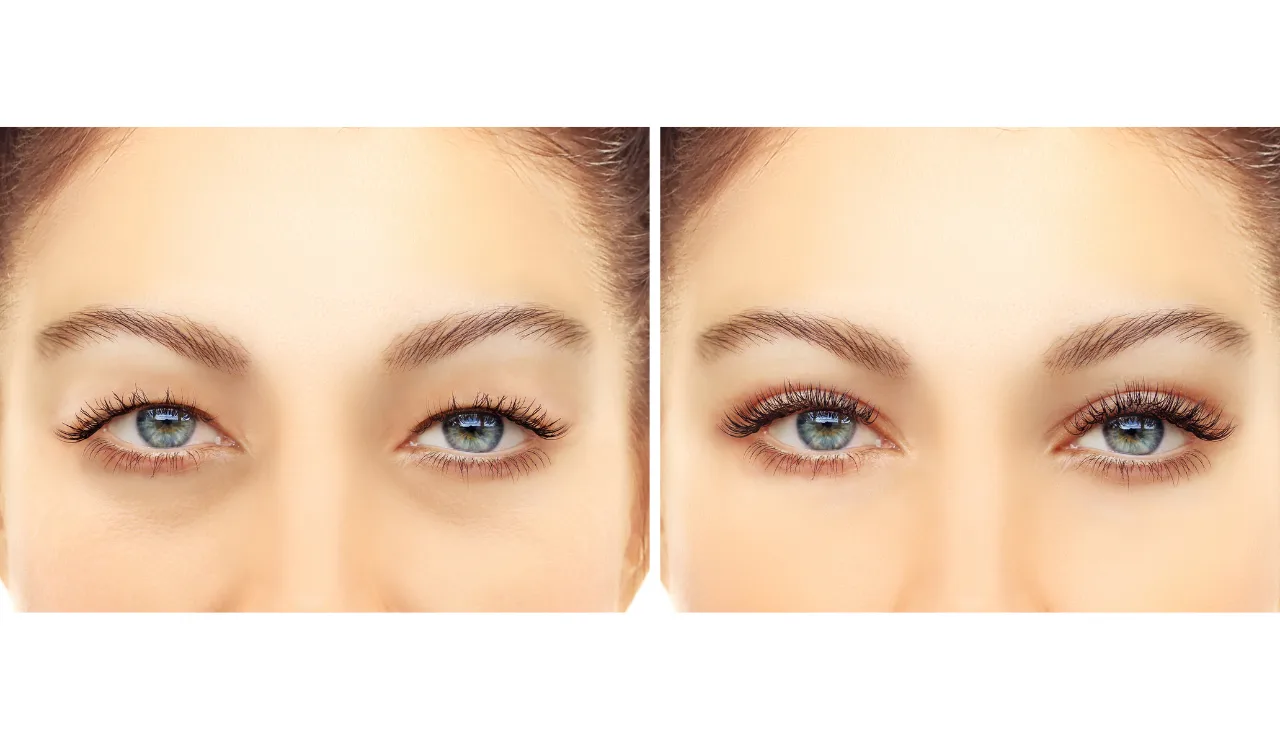
  • Downturned or tired-looking eyes
  • Visible looseness or pulling of the lower eyelid
  • Difficulty achieving symmetry with non-surgical treatments
  • Irritation or dryness from poor eyelid support
  • Hollow or droopy appearance in photos
  • Feeling that the eye shape has changed over time
canthopexy img3

Treatment Process

Canthopexy is typically performed under local or general anaesthesia and takes around 45–60 minutes. It includes:

Your eyelid support, eye shape, and tendon strength are assessed to determine the ideal lifting technique.

Local or general anaesthesia ensures a comfortable, pain-free experience.

A small incision is made at the outer corner of the eye. The lateral canthal tendon is tightened and secured to lift and support the eyelid.

The incision is carefully sutured to blend with the natural crease, leaving minimal visibility.

canthopexy img2

Recovery and Aftercare

  • Most patients return home the same day
  • Mild swelling or tightness may occur for a few days
  • Sutures are removed in 5–7 days (or may dissolve depending on the technique)
  • Avoid rubbing the eyes for 1–2 weeks
  • Sleep elevated to reduce swelling
  • Strenuous activity should be avoided for 10–14 days
  • Final results become clearer over 3–6 weeks as swelling settles

Potential Risks and Considerations

  • Swelling, bruising, or mild discomfort
  • Temporary tight sensation at the outer eye corner
  • Dryness or irritation during initial recovery
  • Infection (rare with proper aftercare)
  • Asymmetry or need for revision in uncommon cases
  • Scar formation (usually minimal and hidden within natural lines)
canthopexy img1

Success Stories

More than 250 five-star reviews on Google
5/5

The Smooth Eye Laser treatment was fantastic! It completely rejuvenated my under-eye area, making me look well-rested and youthful. The procedure was quick, painless, and the results are simply amazing. Highly recommend it for anyone dealing with fine lines or sagging skin around the eyes.

38, London
5/5

I noticed a huge difference after the Smooth Eye Laser treatment. My crow’s feet and puffiness reduced significantly, and my eyes look brighter and more refreshed. The team at London Harley Street Clinics was incredibly professional and made the whole process seamless.

42, Birmingham
5/5

Smooth Eye Laser exceeded my expectations! I was tired of looking tired, and this treatment worked wonders for my under-eye bags and wrinkles. The recovery was minimal, and the results are natural yet noticeable. I couldn’t be happier!

45, Manchester
have a question?

Quick answers to questions you may have

No. Canthopexy provides a subtle lift and support while maintaining your natural eye shape and identity.

Results are long-lasting because the tendon support is strengthened surgically. The outcome can last many years.

The incision is placed in a natural crease at the outer corner of the eye, making the scar discreet and barely visible once healed.

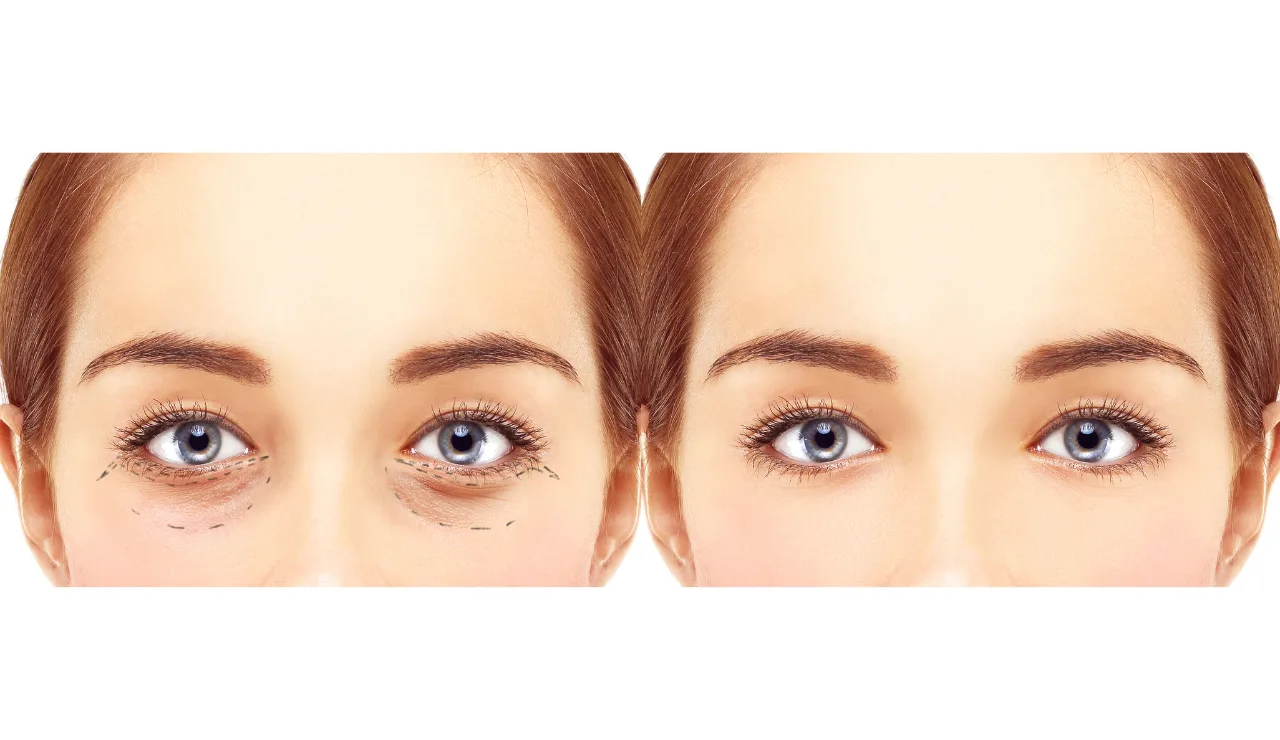
Yes. It is often combined with lower blepharoplasty to enhance eyelid support and prevent sagging.

Our surgeons specialise in precision eyelid procedures, ensuring natural, harmonious results with advanced, minimally invasive techniques.