Explore FUE and FUT hair transplantation and Biofibre® synthetic hair implantation at London Harley Street Clinics. Discuss suitability, risks, aftercare and an individual treatment quotation at consultation.

Explore FUE and FUT hair transplantation and Biofibre® synthetic hair implantation at London Harley Street Clinics. Discuss suitability, risks, aftercare and an individual treatment quotation at consultation.
London Harley Street Clinics offers FUE and FUT hair transplantation and Biofibre® synthetic hair implantation. These approaches differ in the material implanted, the procedure involved and ongoing care. A consultation is needed to discuss which options, if any, may suit your circumstances.
Ask about the cause of your hair loss, your goals and the practical limits of treatment before deciding. Your quotation and treatment plan should identify the technique, treating clinician, procedure location and follow-up arrangements.
No technique should be presented as best for everyone. Ask the clinician to explain their recommendation, alternatives, expected appearance and the reasons another option may be unsuitable.
At consultation, discuss your hair-loss history, scalp concerns, previous procedures, medical conditions, medicines and expectations. Ask who will perform the procedure and where it will take place. For Biofibre, request an explanation of the assessment and compatibility-testing protocol used by the clinic.
Discuss your goals and options with the clinician. Ask for an explanation of the proposed technique, its limits and alternatives, including choosing not to proceed.
Request written preparation instructions for the technique selected. Tell the clinician about medicines and health conditions. Do not change prescribed medicines without advice from your treating clinician.
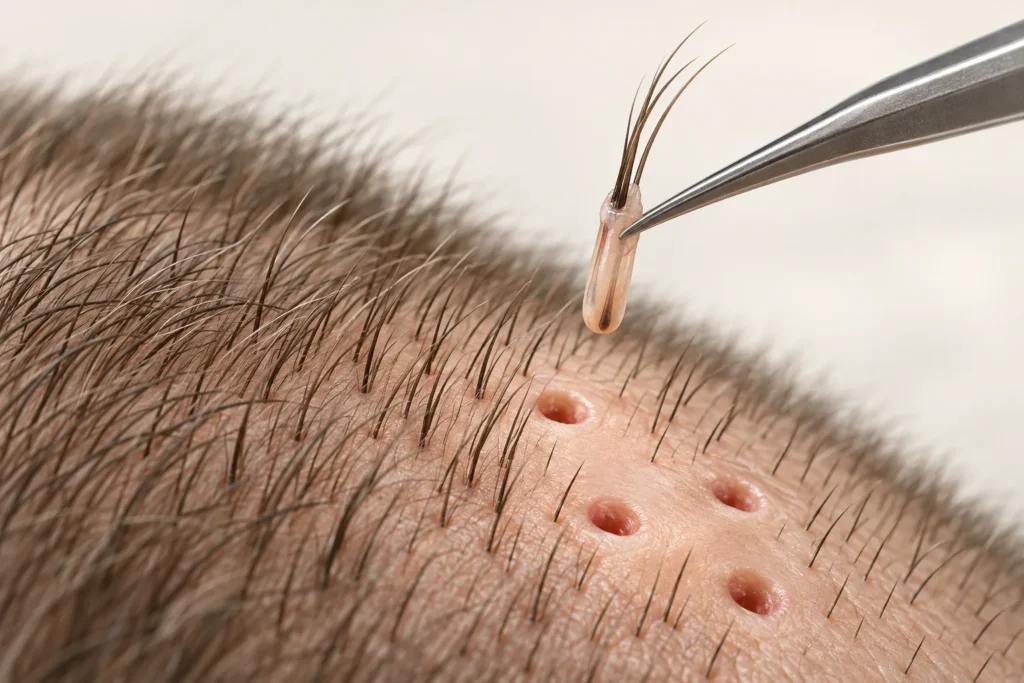
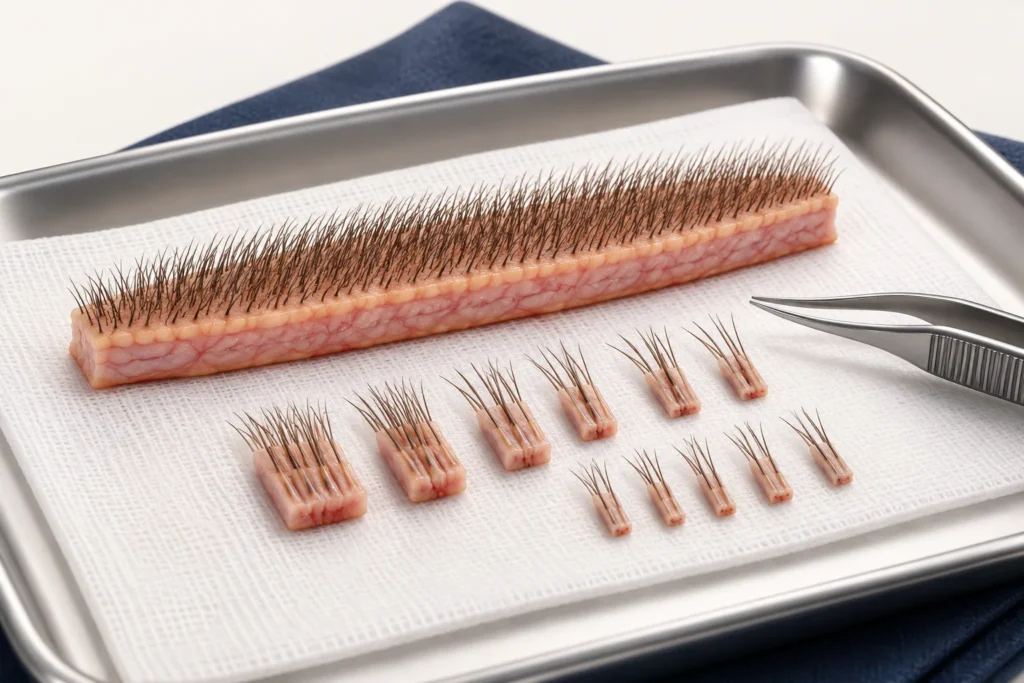
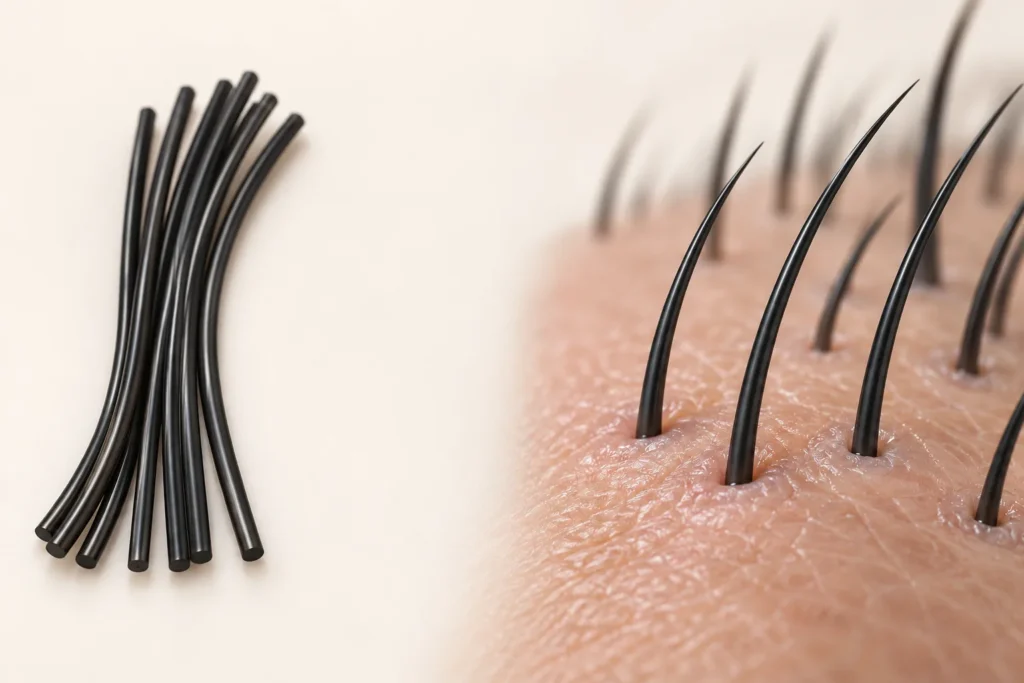
Your treatment plan should name the technique, treating clinician and premises. FUE and FUT transplant your own follicles; Biofibre implants artificial fibres. Assessment and clinical protocols differ.
Agree aftercare, follow-up and complication contact arrangements before proceeding. Recovery advice must be specific to the procedure and your clinician’s instructions.

There is no universal best technique. A consultation should help you make an informed decision about the options.

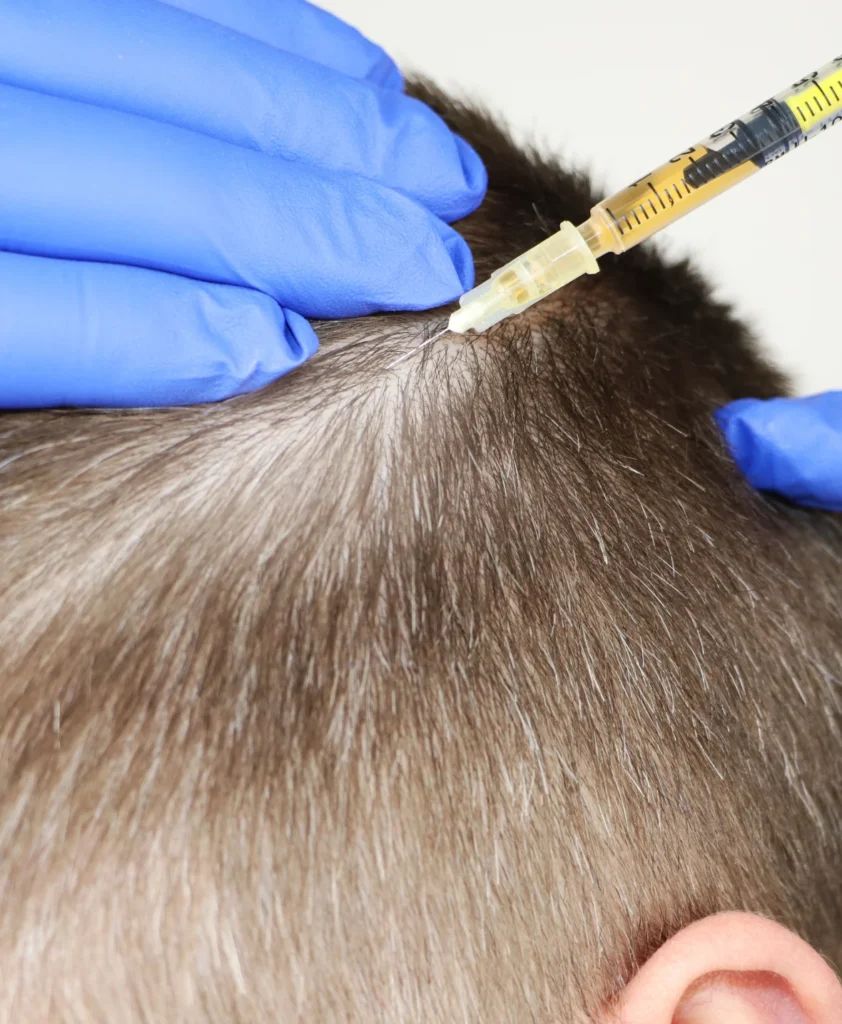
Discuss the risks, limits and arrangements for managing complications for the technique you are considering.
Contact the treating clinic about unexpected symptoms and follow the personalised urgent-help instructions supplied by the clinician. Published reports cannot establish your individual risk or LHSC’s complication rate.
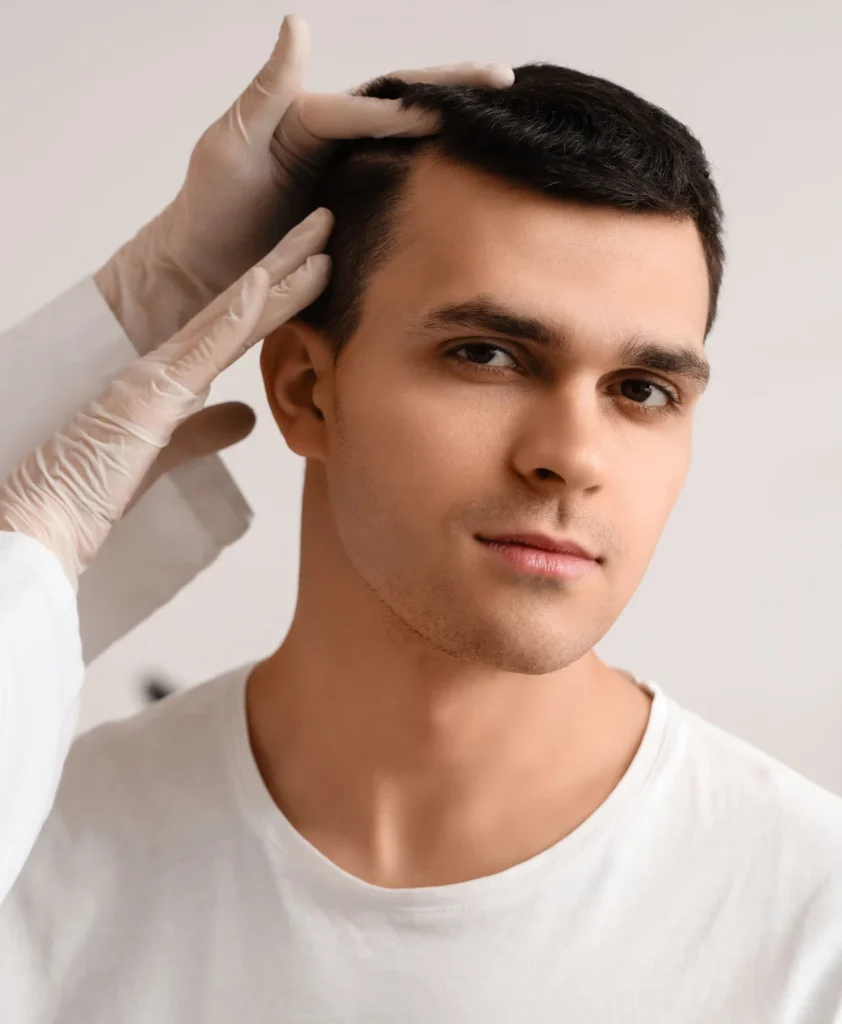
Request a consultation to discuss FUE, FUT or Biofibre. An appointment request is subject to confirmation. Ask for an itemised quotation rather than assuming one advertised price covers every technique.

Your consultation
Ask who will perform each part of your treatment and discuss their relevant experience. Confirm your treating clinician at booking. You can read more about the clinic’s team and patient journey.
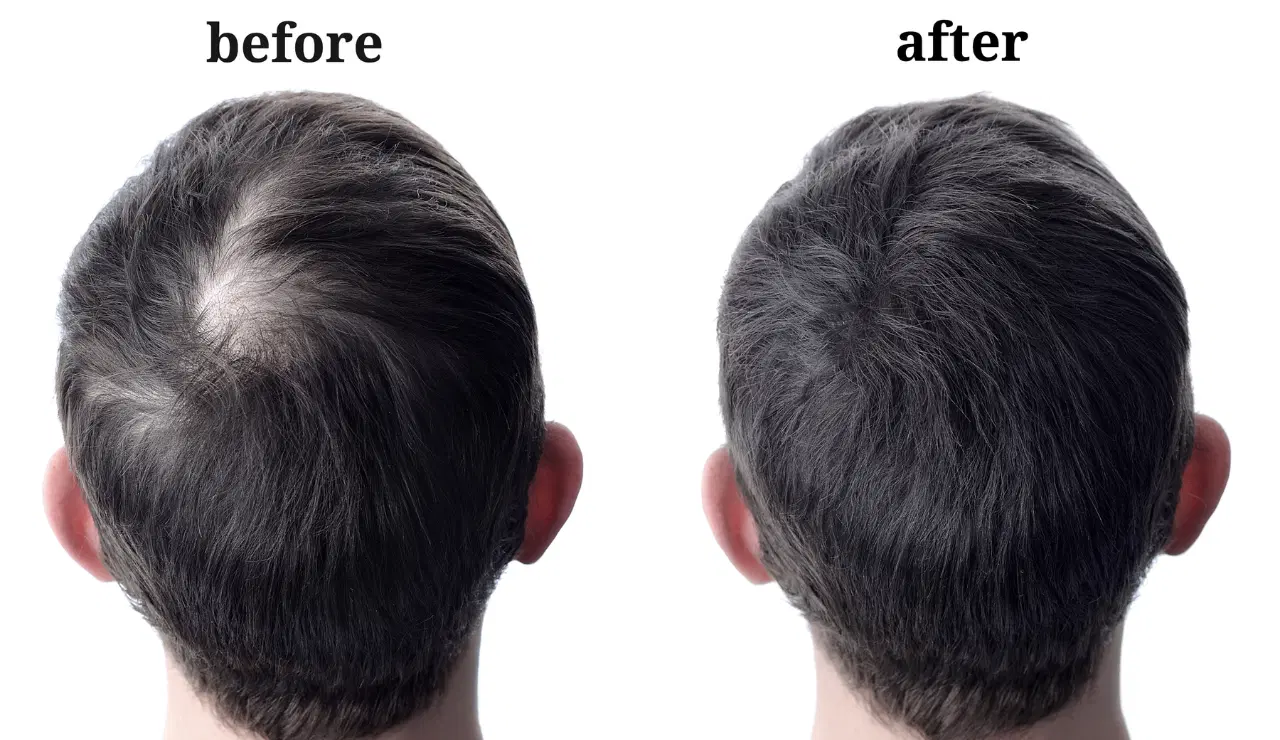
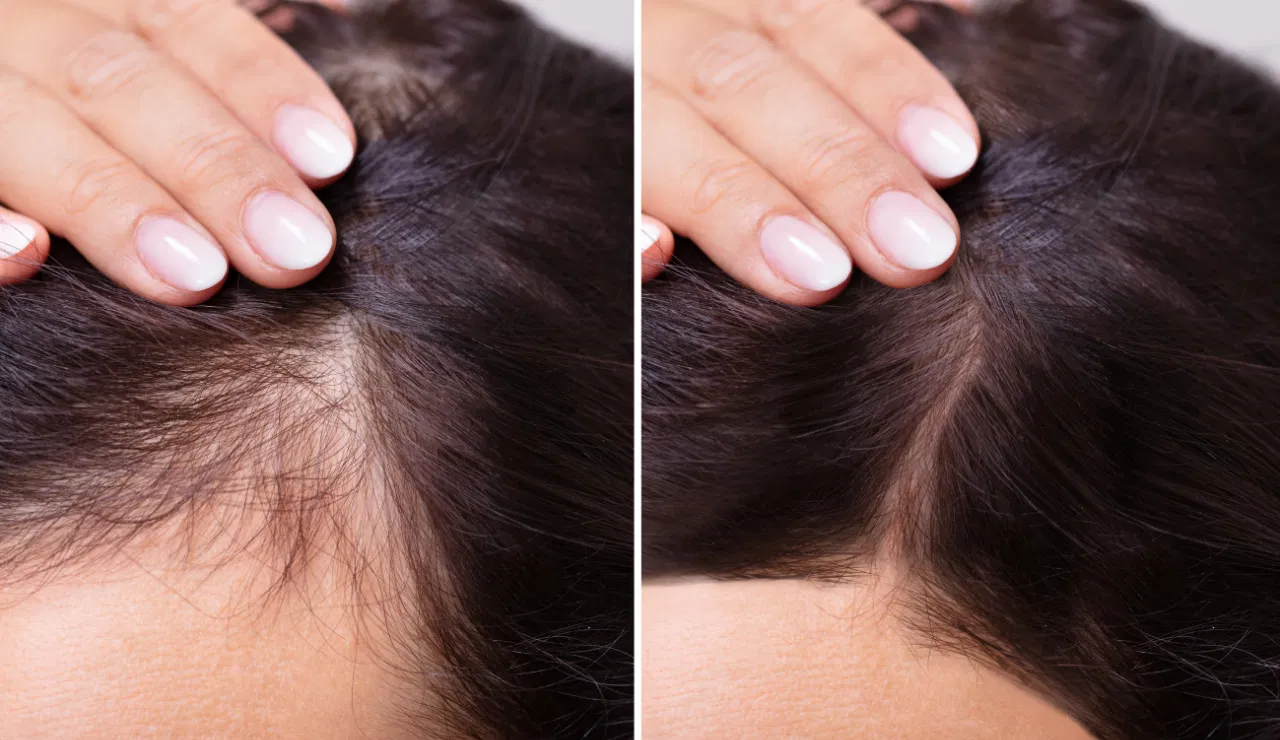
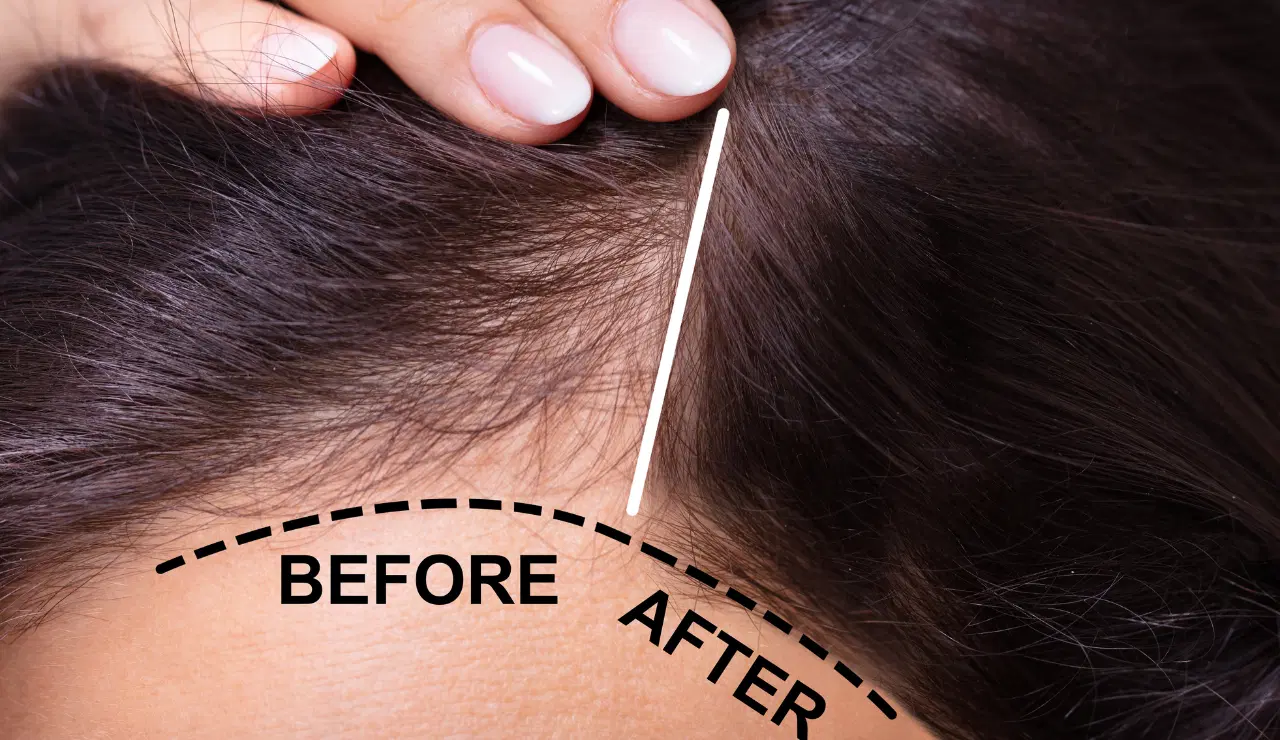
I was hesitant at first, but the results of my hair transplant are incredible. The staff was reassuring throughout the process, and the outcome has exceeded my expectations. My hairline looks natural, and I feel younger and more confident every day.
After struggling with hair loss for years, I decided to go for a hair transplant, and it was the best decision ever. The team was professional, the procedure was painless, and now I have a full head of hair that looks completely natural. It’s given me back my confidence!
"The hair transplant has completely changed how I see myself. The procedure was straightforward, and the recovery was quick. My friends and family keep complimenting how great my hair looks, and I couldn’t be happier!"
NHS: hair transplantation and BAAPS: hair transplant surgery explain transplantation of your own follicles.
Medicap’s manufacturer FAQ explains artificial fibres; manufacturer information has a commercial interest. A published Biofibre case report describes a delayed inflammatory reaction. A case report does not establish complication frequency.
Your questions
LHSC offers FUE, FUT and Biofibre synthetic hair implantation. Individual suitability and treatment arrangements are discussed at consultation.
FUE and FUT transplant your own follicles. Biofibre implants artificial fibres that do not grow.
No universal recommendation is made here. Ask the treating clinician to explain the options for your situation.
Confirm both when booking. Do not assume a procedure takes place at every advertised clinic address.
Ask for the technique, assessment, procedure, aftercare, follow-up and possible future maintenance costs to be identified separately.
Discuss preparation, aftercare and follow-up before deciding. For Biofibre, ask about scalp care, fibre loss and possible replacement.
We use essential cookies to run this site. With your permission, analytics and advertising measurement help us understand visits and appointment enquiries. Choose Accept All, Reject All or Preferences. Privacy policy
Cookie Settings