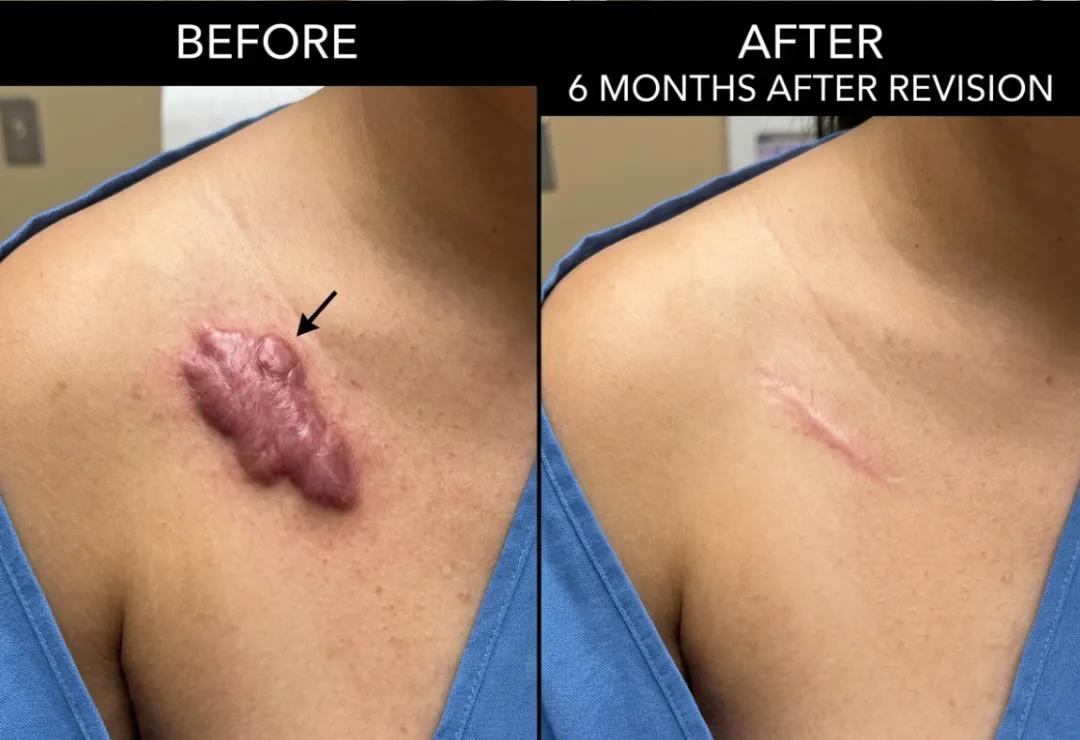
WHAT IS KELOID SCAR REVISION?

Keloid scar revision is a specialist treatment designed to reduce the size, thickness, and discomfort of keloid scars while improving their overall appearance. Keloids are raised scars that form when the body produces excess collagen during healing, causing scar tissue to grow beyond the original wound area. Treatment options may include surgical removal, steroid injections, silicone therapy, laser treatment, or a combination approach depending on severity and location. At London Harley Street Clinics, our specialists assess each case carefully to create a personalised treatment plan aimed at improving both function and cosmetic appearance.

WHO IS KELOID SCAR REVISION FOR?

This treatment may be suitable for individuals who: Have raised, thickened keloid scars, Experience itching or discomfort in scar tissue, Have scars that continue to grow beyond the original injury, Want to improve the appearance of visible scars, Have scars caused by surgery, injury, or acne, Experience tightness or restriction from scar tissue, Want professional scar management and treatment

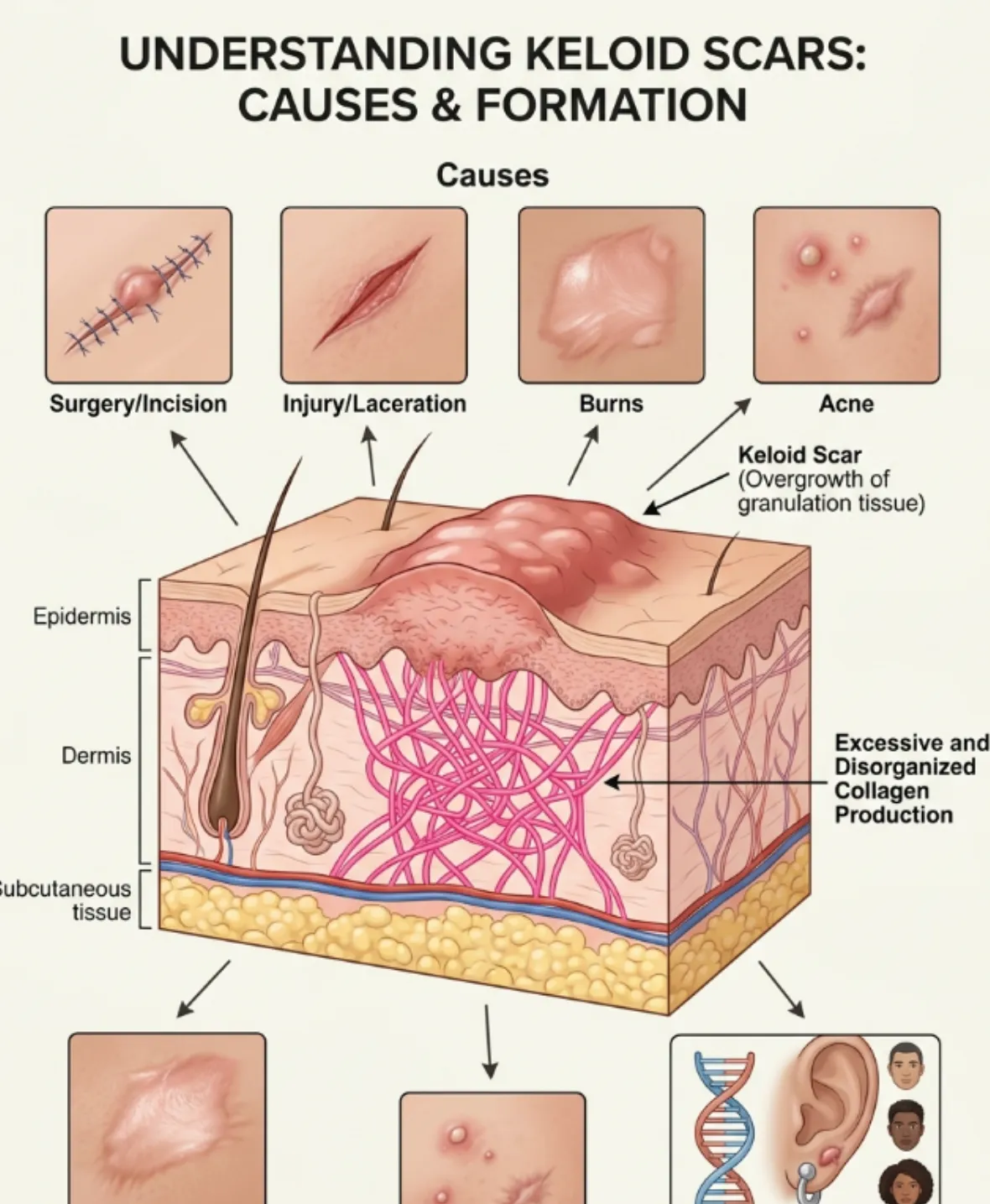
Common causes of keloid scars including excess collagen and skin injury

CAUSES OF EYELID AGING AND CHANGES

  • Overproduction of collagen during healing
  • Genetic predisposition
  • Skin injury, surgery, or trauma
  • Acne or inflammatory skin conditions
  • Piercings or burns

SYMPTOMS OR SIGNS THAT MAY BENEFIT FROM SURGERY

  • Raised and thick scar tissue
  • Scar extending beyond original wound area
  • Itching, tenderness, or pain in scar
  • Darkened or firm scar appearance
  • Restricted movement in affected area
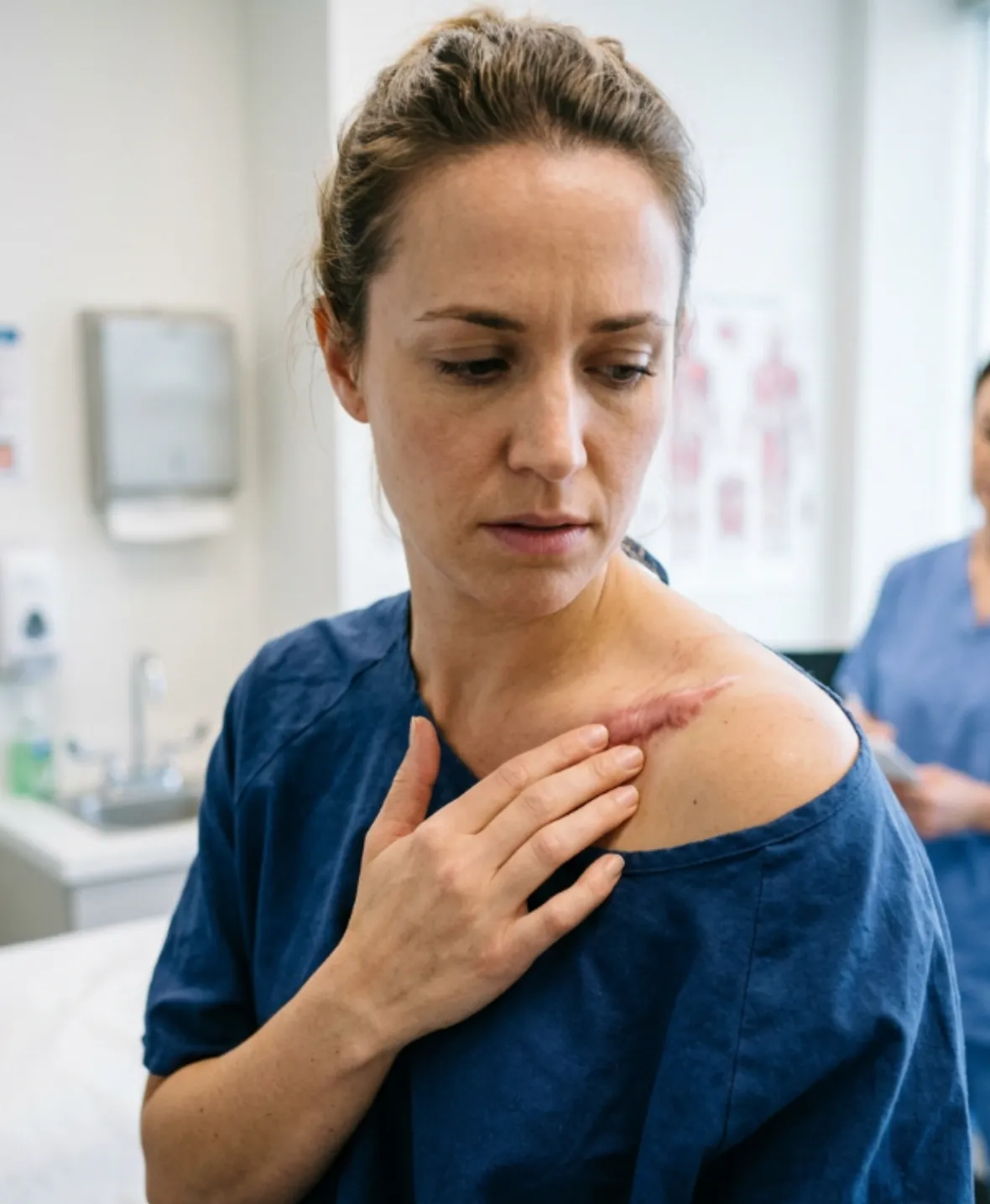
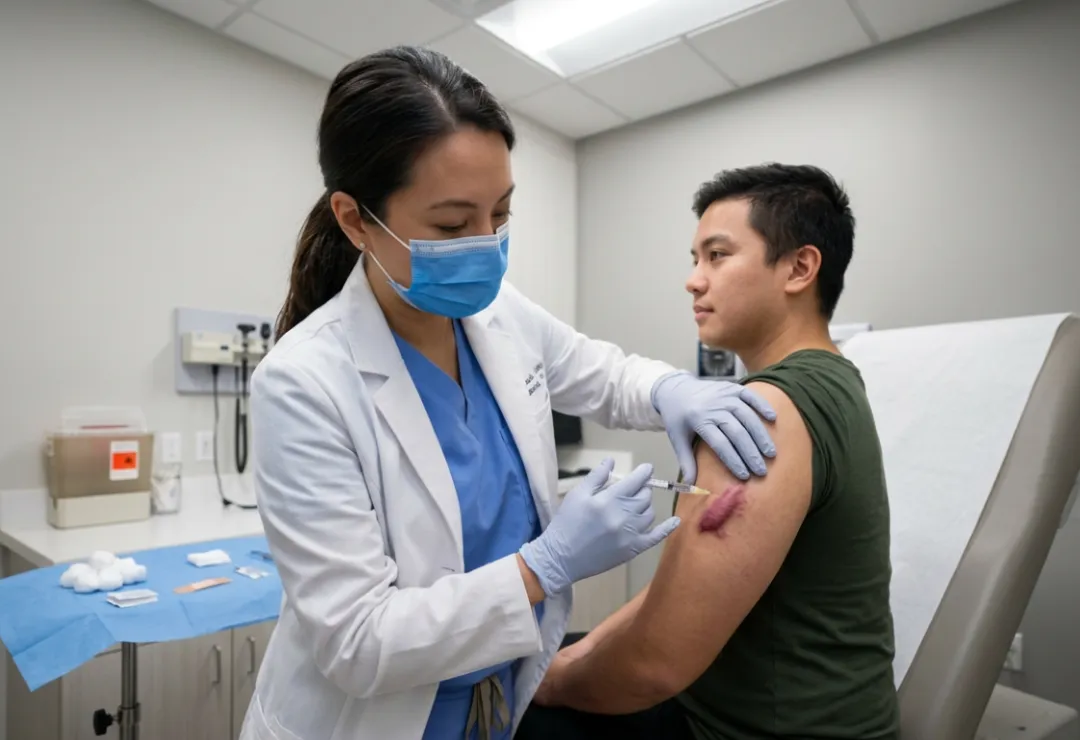
Patient examining keloid scar before scar revision treatment

Treatment Process

Keloid scar revision is tailored to each patient and may involve one or more treatments. It includes:

The keloid scar is assessed to determine size, location, and severity, along with medical history and previous treatments.

A personalised approach is created, which may include steroid injections, surgical excision, laser therapy, or pressure therapy.

Depending on the treatment plan, the keloid may be reduced surgically, injected with medication, or treated with laser to flatten and soften the scar.

Post-treatment care is provided to reduce recurrence risk and support optimal healing.

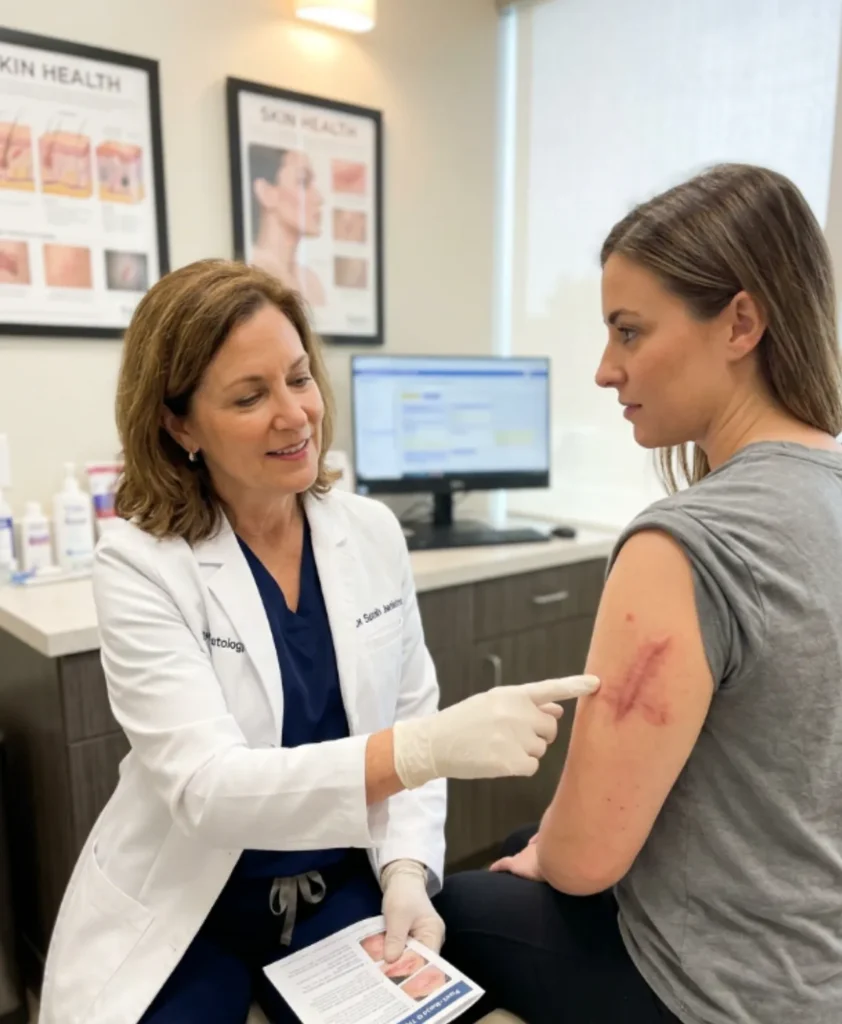
Patient applying aftercare treatment following keloid scar revision

Recovery and Aftercare

  • Mild redness or swelling may occur after treatment
  • Regular follow-up sessions may be required
  • Silicone gel or dressings may be recommended
  • Avoid trauma or irritation to the treated area
  • Results improve gradually over time

Potential Risks and Considerations

  • Keloid recurrence (possible in some cases)
  • Temporary redness or swelling
  • Skin sensitivity or discomfort
  • Pigmentation changes in treated area
  • Need for multiple treatment sessions
Temporary redness and healing changes after keloid scar revision treatment

Keloid Scar Revision

Your safety and satisfaction are our top priorities, and we’re here to guide you honestly throughout your beauty journey.

  • Keloid Scar Revision Starting from £2000

Success Stories

More than 250 five-star reviews on Google

5/5

The Smooth Eye Laser treatment was fantastic! It completely rejuvenated my under-eye area, making me look well-rested and youthful. The procedure was quick, painless, and the results are simply amazing. Highly recommend it for anyone dealing with fine lines or sagging skin around the eyes.

38, London
5/5

I noticed a huge difference after the Smooth Eye Laser treatment. My crow’s feet and puffiness reduced significantly, and my eyes look brighter and more refreshed. The team at London Harley Street Clinics was incredibly professional and made the whole process seamless.

42, Birmingham
5/5

Smooth Eye Laser exceeded my expectations! I was tired of looking tired, and this treatment worked wonders for my under-eye bags and wrinkles. The recovery was minimal, and the results are natural yet noticeable. I couldn’t be happier!

45, Manchester

have a question?

Quick answers to questions you may have

Keloids can be significantly reduced, but there is a risk of recurrence, so ongoing management may be needed.

They occur due to excessive collagen production during healing, often influenced by genetics.

Most treatments involve minimal discomfort and are performed under local anaesthesia when required.

The number of sessions depends on scar size, type, and chosen treatment method.

Our specialists use advanced scar management techniques to reduce keloid appearance, improve comfort, and provide long-term treatment strategies tailored to each patient.